
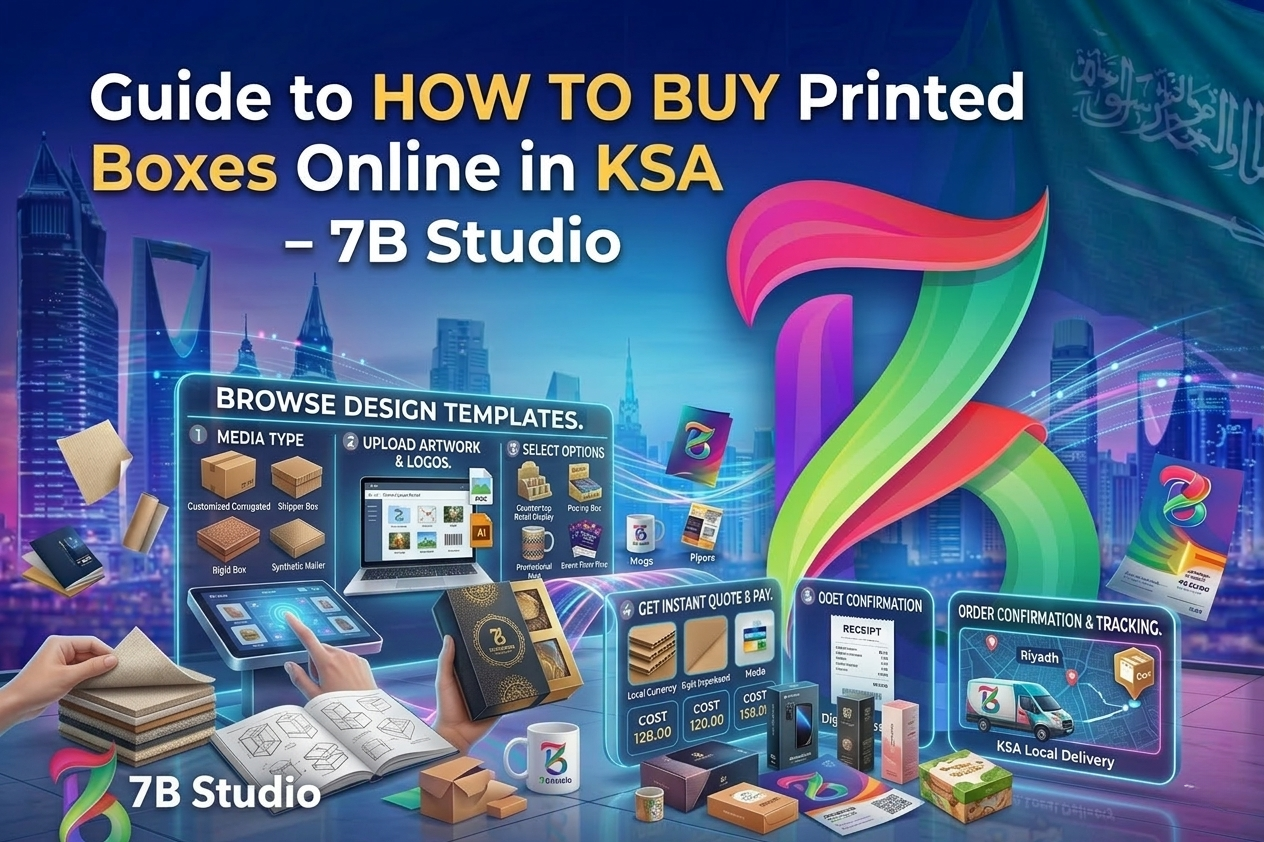
How to Buy Printed Boxes Online: A Complete Beginner’s Guide
Ordering custom packaging for the first time can feel overwhelming. With so many materials, printing methods, and suppliers available, making the wrong choice can lead to damaged products or wasted marketing budgets. Whether you are launching a new e-commerce brand or upgrading your current retail packaging, this guide breaks down everything you need to know to confidently buy printed boxes online.
Types of Printed Boxes You Can Buy Online
Mailer boxes
Mailer boxes are the undisputed champions of e-commerce. Designed with interlocking flaps, they are incredibly sturdy and often do not require packing tape to stay closed. Ordering custom printed boxes in the mailer style is the best way to create a premium unboxing experience for subscription services and online retail orders.
Shipping boxes
When you need to move heavy items or bulk orders safely, standard corrugated shipping boxes are required. A packing box printed with your simple brand logo acts as a moving billboard while ensuring the contents survive the rough transit of standard postal networks.
Rigid boxes
Rigid boxes are made from highly condensed paperboard and do not fold flat. They are the pinnacle of luxury packaging, commonly used for high-end electronics (like smartphones), jewelry, and premium cosmetics. Sourcing custom printed rigid boxes is an investment that instantly elevates the perceived value of your product.
Product / retail boxes
These are the lighter-weight boxes you see sitting on retail store shelves. Sourcing printed cardboard boxes from a reputable printed box manufacturer ensures your product stands out in a crowded retail environment. They are typically used for lightweight items like supplements, candles, or small toys.
Folding carton boxes
Folding cartons are made from thin paperboard and ship completely flat. Carton box printing is highly cost-effective and is the standard for the food and beauty industries. The smooth surface allows for high-definition ink printing for carton box designs, making colors vibrant and text easy to read.
Subscription boxes
The subscription industry relies on highly specific, tailored packaging. The beauty of online ordering is the versatility; you can source everything from custom printed donut boxes for a local bakery delivery service, to a custom printed hamburger packaging box for a gourmet food brand, or even specialized custom printed usb boxes for corporate tech gifts.
Printing Methods Explained
Digital printing
Digital printing works much like your home office printer but on an industrial scale. It requires no setup plates, making it the perfect method for small batch box printing. If you have a highly colorful, complex box printing design, digital printing allows you to produce it without massive upfront costs.
Offset printing
Offset printing provides the highest possible image quality. The design is transferred from metal plates to rubber blankets, and then onto the box. If you want a luxury full color print box with ribbon closures, offset is the way to go. It requires high minimum order quantities (MOQs), but the per-unit cost for packaging box printing becomes incredibly cheap at scale.
Flexographic printing
Flexographic (flexo) printing uses flexible rubber stamps to press ink directly onto the cardboard. It is ideal for simple, one- or two-color designs, such as printing a black logo on a kraft shipping box. For massive runs of simple carton box printing, flexo is the most economical choice.
How to Design Your Printed Box
Key design elements
A successful box printing design balances aesthetics with crucial information. Your logo should be prominent but not overwhelming. Include your website URL, social media handles, and any necessary regulatory information (like barcodes or recycling symbols) cleanly on the bottom or side panels.
Inside vs outside printing
Printing exclusively on the outside is standard and cost-effective. However, printing on the inside creates a powerful unboxing moment. For example, a minimalist exterior with a vibrant, detailed print on eye shadow box interior surprises and delights the customer the moment they open the lid.
Matte vs gloss vs embossed finishes
The finish dictates how your packaging feels in the customer’s hands. Gloss laminate makes colors pop and adds a reflective shine. Matte laminate is smooth, non-reflective, and communicates modern sophistication. For a truly high-end touch on a full color print box with ribbon, consider embossing (raising the logo) or foil stamping.
Free vs paid design tools
If you don’t have a graphic designer, you can use paid tools like Adobe Illustrator for complete control over your dielines. Alternatively, many online packaging suppliers now offer free, built-in 3D design builders where you can drag and drop your box printing design directly onto a digital mockup.
How to Order Printed Boxes Online Step by Step
(Note: We have consolidated the steps into one streamlined process for clarity.)
Step 1 — Choose your box type
Start by determining the structural needs of your product. Will it ship directly in the mail, or sit on a shelf? Select the appropriate style to begin customizing your custom printed boxes.
Step 2 — How to print on boxes
Decide how to print on boxes based on your volume and budget. Choose digital printing for short, colorful runs, or flexographic printing for simple, high-volume shipping cartons.
Step 3 — Choose your material
Select the substrate that matches your brand identity. Unbleached kraft corrugated board is great for rustic or eco-friendly brands, while premium white printed cardboard boxes offer the best canvas for bright, high-definition graphics.
Step 4 — Choose your finish
Determine your protective coatings and tactile elements. Whether you want a standard matte finish or a highly specific, soft-touch tissue box print style coating, selecting the right finish protects the ink from scuffing during transit.
Step 5 — Review and place order
Always request a digital 3D proof before approving your final order. Double-check your dimensions, spelling, and logo placement. Once verified, submit your files to your chosen box printing services for production.
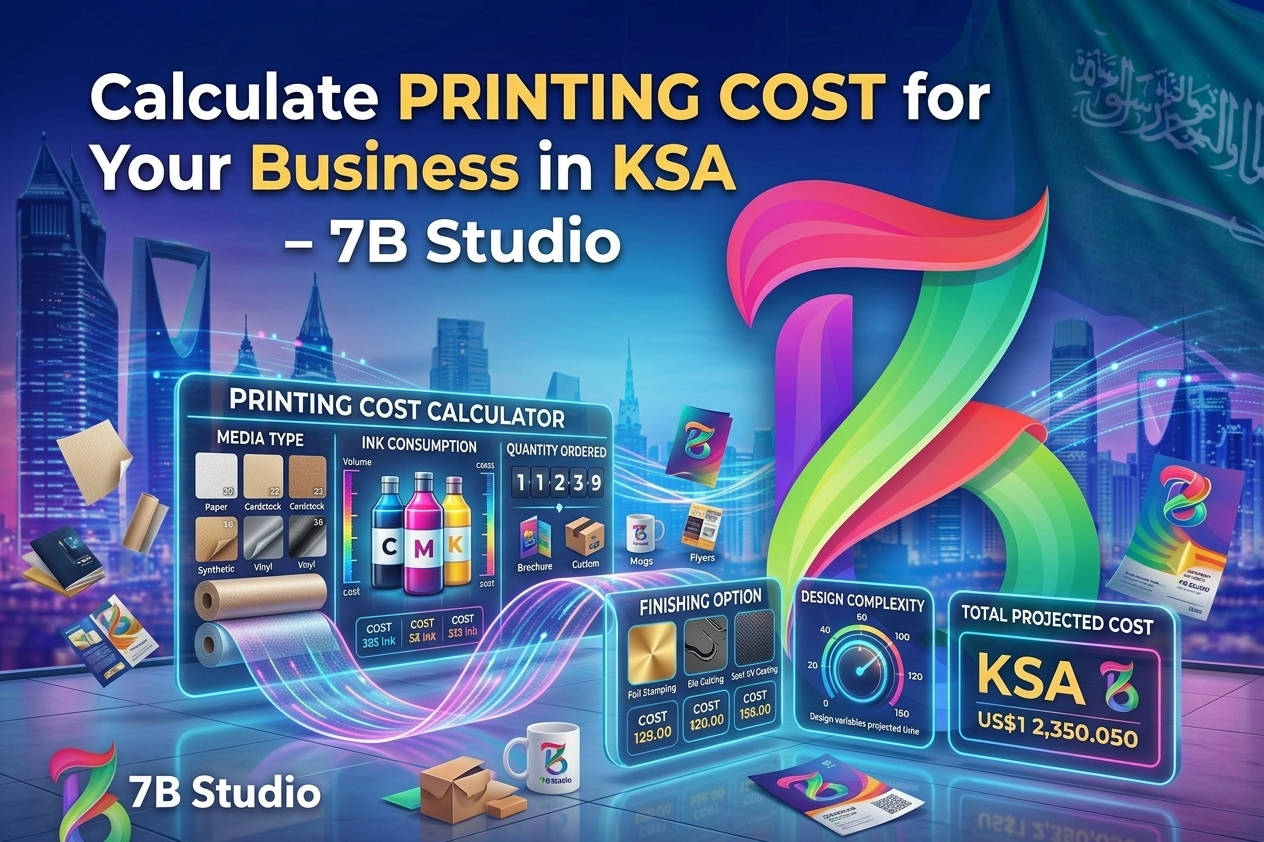
How Much Does It Cost to Buy Printed Boxes Online?
What factors affect the price
The cost of packaging box printing is driven by four main factors: the dimensions of the box, the thickness of the material, the amount of ink required (full-color vs. single-color), and the total quantity ordered.
How to reduce costs
To lower your carton box printing costs, simplify your design to just one or two colors and use standard box sizes instead of requesting custom dimensions. Most importantly, increase your order volume; ordering 1,000 boxes is significantly cheaper per unit than ordering 100.
Best Places to Buy Printed Boxes Online
Best for small businesses
For startups testing the waters, look for online suppliers offering custom printed boxes with low minimum order quantities (MOQs). Companies like Packlane or UPrinting allow you to order as few as 25 boxes at a time.
Best for bulk and wholesale
If you are scaling rapidly, bypass the middlemen and work directly with a dedicated printed box manufacturer. Sourcing directly from large-scale factories provides the best economies of scale for orders exceeding 5,000 units.
Best for eco-friendly packaging
Consumers demand sustainability. Look for suppliers specializing in 100% recycled printed cardboard boxes and soy-based inks, such as EcoEnclose or noissue, to align your packaging with modern environmental standards.
Best by region
Shipping empty boxes is expensive because you are paying to ship air. Always try to find a supplier close to your fulfillment center. Skip the guesswork of online ordering and let the packaging experts at 7b studio design and deliver your perfect custom printed boxes.
Frequently Asked Questions (FAQ)
1. What is the minimum order quantity (MOQ) for printed boxes online?
MOQs depend entirely on the supplier and printing method. Many modern online printers offer low MOQs starting at just 25 to 50 custom printed boxes using digital printing, while traditional wholesale manufacturers usually require 500 or more.
2. What is a dieline in box printing?
A dieline is a flat, 2D vector template that shows exactly where your box will be cut, folded, and glued. It acts as the blueprint for placing your box printing design so that nothing important gets cut off during manufacturing.
3. How do I know which box size to order?
Measure your product’s length, width, and depth, then add about 0.25 to 0.5 inches of clearance on all sides. This leaves just enough room for protective inserts or tissue paper without adding unnecessary bulk that drives up shipping costs.
4. What is the difference between CMYK and RGB for box design?
Computer screens display colors using RGB (red, green, blue) light, but commercial printing presses use CMYK (cyan, magenta, yellow, black) ink. You must always set your design files to CMYK to ensure the colors on your printed cardboard boxes look exactly as they did on your screen.
5. Can I get a physical sample before ordering in bulk?
Yes, and you always should. Requesting a single physical prototype before a massive run allows you to test the structural integrity of the box with your product inside and verify the color accuracy of the ink.
6. Which printing method is best for small orders?
Digital printing is the most cost-effective method for short runs. It acts like a giant laser printer and does not require the expensive, time-consuming setup of custom metal plates needed for offset or flexographic printing.
7. Are custom printed boxes eco-friendly?
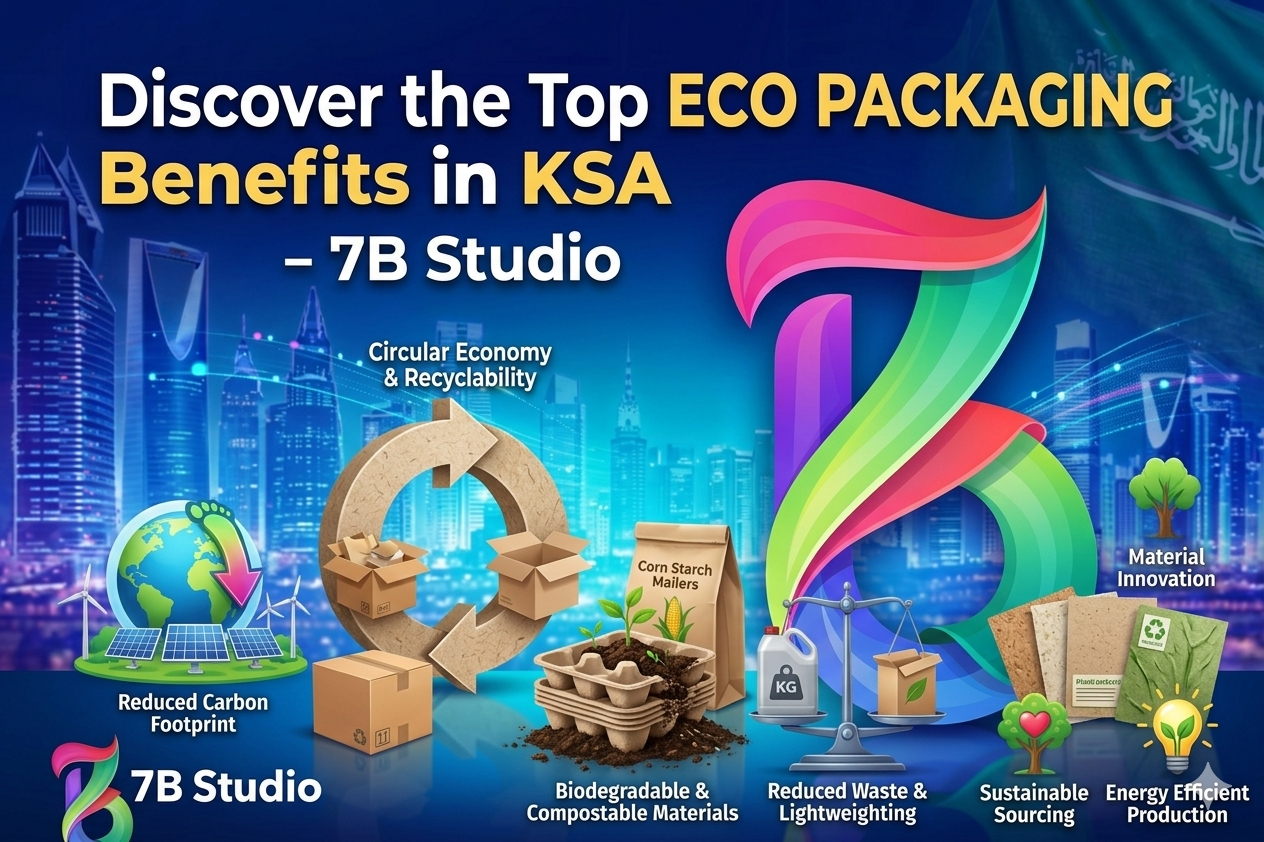
Generally, yes. Most printed cardboard boxes, especially those made from unbleached kraft corrugated paper, are highly recyclable. To maximize sustainability, ask your supplier to use soy or water-based inks and avoid heavy plastic gloss laminates.
8. How long does it take to get printed boxes delivered?
For domestic online suppliers, standard turnaround times range from 10 to 15 business days. If you are sourcing from an overseas printed box manufacturer to save on bulk costs, you must factor in an additional 3 to 6 weeks for ocean freight and customs clearance.
9. Is it cheaper to print on the inside or the outside of the box?
Printing exclusively on the outside is significantly cheaper. Inside printing requires the manufacturer to pass the cardboard through the printer a second time, which increases the labor, ink usage, and overall carton box printing cost.
10. What file format should I use for my packaging artwork?
Always submit your artwork as a high-resolution PDF or a raw vector file (like AI or EPS). Vector files are based on mathematical equations rather than pixels, meaning they can be scaled infinitely without ever becoming blurry during the printing process.
Post a Comment